
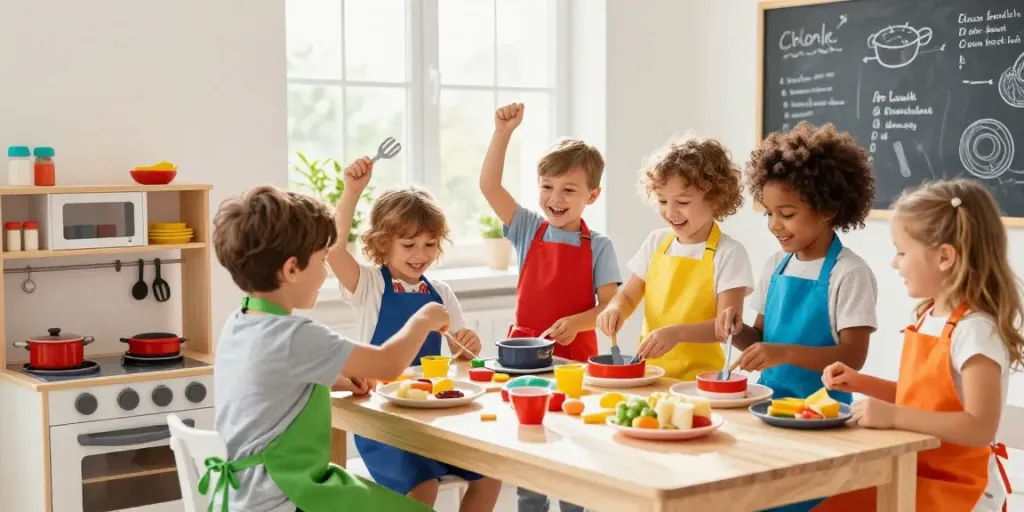
Understanding the Importance of Kids Kitchens
In the world of childhood play, few toys offer as much imaginative versatility as kids kitchens. These miniature kitchens are not merely playthings; they serve as important educational tools that foster creativity, independence, and social interaction. By encouraging children to mimic real-life cooking scenarios, these toys allow young chefs to explore their culinary imaginations. When exploring options, kids kitchen sets provide comprehensive insights into the various features and styles that can enhance your child’s playtime experience.
Why Every Child Should Have a Kids Kitchen
Owning a kids kitchen can be a transformative experience for children. These playsets offer more than just entertainment; they contribute significantly to a child's development in various ways. From enhancing fine motor skills through the manipulation of utensils and play food to promoting cognitive growth through imaginative scenarios, the benefits are numerous. Furthermore, kids kitchens serve as an engaging space for learning about food, nutrition, and even basic hygiene.
Benefits of Pretend Play for Child Development
Pretend play, especially in settings like a kids kitchen, is fundamental for child development. It allows children to express their thoughts and feelings, role-play different scenarios, and act out their experiences, which fosters emotional intelligence. This type of imaginative play also improves communication skills as children negotiate roles and directives within their play group, leading to better social skills and cooperation with peers.
How Kids Kitchens Foster Creativity and Imagination
The design and interactive features of kids kitchens encourage children to engage in creative storytelling. Whether they're preparing a feast for their toys or pretending to run a restaurant, these experiences stimulate imaginative play. Children can explore different cultural cuisines, experiment with faux ingredients, and develop unique recipes—all within the safety of their play environment. This encourages not just creativity but critical thinking as they plan and execute their ‘cooking’ projects.
Choosing the Right Kids Kitchen for Your Home
Selecting the perfect kids kitchen requires careful consideration of various factors to ensure it fits seamlessly into your home and meets your child's needs. Each family has unique preferences and available space, so understanding the options can make all the difference in choosing a playset that provides years of enjoyment.
Key Features to Look for in a Kids Kitchen
When shopping for a kids kitchen, consider the following features:
- Realistic Design: Look for play kitchens with realistic appliances such as ovens, fridges, and sinks, as these enhance the play experience.
- Interactive Elements: Some kitchens come equipped with lights, sounds, or moving parts that can make pretend play more engaging.
- Durability: Choose materials that can withstand the wear and tear of enthusiastic play, such as wood or high-quality plastic.
- Size: Ensure the kitchen fits in the intended play area and is appropriate for your child's age and height.
Comparing Materials: Wood vs. Plastic
The choice between wood and plastic for kids kitchens often comes down to personal preference and intended use. Wooden kitchens are generally more durable and aesthetically pleasing, offering a classic look that many parents prefer. They can also be more environmentally friendly if sourced sustainably. On the other hand, plastic kitchens tend to be lighter, easier to clean, and often come at a lower price point, making them a popular choice for families on a budget.
Size and Space Considerations for Kids Kitchens
Before committing to a kids kitchen, assess the available space in your home. These kitchens can vary greatly in size—from compact models suited for smaller play areas to large, elaborate setups designed for more expansive spaces. Consideration of future playroom needs is also essential; a kitchen that fits today’s needs might not accommodate an older child’s play style.
Top Kids Kitchen Brands in 2026
The market for kids kitchens is rich with various brands offering unique features and styles. Knowing the top manufacturers can guide your purchasing decision and ensure you invest in a high-quality playset.
Overview of Leading Kids Kitchen Manufacturers
Some of the standout brands in the realm of kids kitchens include:
- KidKraft: Known for its wooden kitchens that include realistic features and sturdy construction.
- Teamson: Offers a wide range of creative designs and themes that appeal to children's imaginations.
- Step2: Renowned for durable outdoor-inspired kitchens, providing families with options for both indoor and outdoor play.
- Tiny Land: Focuses on beautifully crafted wooden kitchens that inspire creativity and imaginative play.
Comparing Price Points and Value
When budgeting for a kids kitchen, prices can vary widely depending on the brand, materials, and features. While it can be tempting to opt for less expensive models, investing in a higher-quality kitchen can provide better longevity and play value. It's crucial to assess what features are non-negotiable for you and your child to effectively weigh the return on investment.
Expert Reviews of Popular Kids Kitchen Sets
Researching expert reviews can provide insights into the durability and functionality of various kids kitchens. Many parenting blogs and toy review sites conduct tests and comparisons, which can help you identify which sets stand out in terms of playability and satisfaction. Look for user reviews on retailer websites to gather real-life feedback from other parents before making a decision.
Setting Up Your Child’s Kitchen Play Area
Creating an inviting and stimulating kitchen play area will greatly enhance your child's experience. Proper setup ensures that the space is not only functional but also encourages independent play.
Creating a Safe and Fun Kitchen Environment
Safety is paramount in any children’s play area. Ensure that the kitchen is set up in a space free of sharp objects and that all equipment is child-safe and secure. Use safety gates if necessary to ensure younger siblings are kept out of the play area while older children are engaged in play.
Accessories and Play Food for an Enhanced Experience
To maximise the play experience, consider investing in high-quality accessories and play food. Items such as utensils, pots and pans, realistic food items, and even chef hats can promote more engaging play. Crafting a collection of accessories allows children to expand their imaginative play scenarios.
Tips for Organising the Play Area for Easy Access
Setting up an organised play area encourages children to take ownership of their space. Use bins or shelves to store accessories and play food, ensuring that everything is easily accessible. Consider colour-coding or labelling storage items to facilitate easy clean-up and encourage your child to be responsible for their own play environment.
Future Trends in Kids Kitchens
As we move into 2026, kids kitchens are expected to evolve further, integrating innovative features that cater to the changing dynamics of play and learning.
Innovative Features to Look For by 2026
Emerging trends include kitchens that incorporate technology, such as augmented reality (AR) experiences that allow children to ‘cook’ with virtual ingredients or follow interactive recipes. These features can take imaginative play to a new level, blending education with entertainment.
Eco-Friendly Options for Conscious Consumers
As sustainability becomes increasingly important, many manufacturers are focusing on eco-friendly materials and practices. Look for kitchens made from sustainably sourced wood or recycled plastics, which resonate with environmentally conscious families.
Preparing for the Next Generation of Kids Kitchens
Future kids kitchens will also likely incorporate more flexible designs that can adapt as children grow. This could mean adjustable heights or modular components that can be reconfigured to suit different ages and developmental stages, ensuring longevity and continued engagement.
What Age to Transition Away from Kids Kitchens?
Deciding when to transition away from a kids kitchen often depends on the child’s interests and developmental stage. Generally, children may begin to lose interest around ages six to eight, but many may still enjoy the occasional play well into their pre-teens, especially if they can share the kitchen with siblings or friends.
How to Repurpose a Kids Kitchen When Not in Use?
If your child has outgrown their kids kitchen, consider repurposing it as a storage unit for toys or arts and crafts supplies. Alternatively, it can be transformed into a creative play station for other activities, such as a mini-store or a craft corner, ensuring it continues to provide value even after its role as a kitchen has diminished.